



Starting your journey with braces is an exciting milestone, whether you’re a curious kid, a style-conscious teen, or an adult finally taking the plunge. Embarking on orthodontic treatment, for yourself or your child, can feel like stepping into the unknown, but you’re not alone in the adventure.
With about 4 million Americans wearing braces at any one time, and steady demand here in Sunnyside and across Washington, you are in good company. Most of these wearers are teens, but at least 25% are over the age of 18!
Getting traditional braces isn’t just about straightening your teeth. To keep your smile healthy and achieve the best results, you need to brush and floss daily, make healthy food choices, and follow a regular routine.
Good habits help prevent cavities, gum problems, and damage to the braces themselves. This helps your teeth look great at the end, but also stay strong and healthy along the way.
At Condie Orthodontics, we see daily that the best braces outcomes come from small, steady habits. Here’s a simple, practical guide for making the most of your time wearing braces, so your new smile is both healthy and lasting.
Daily Oral Hygiene Tips for Dental Braces

Braces help straighten teeth, but they also create spaces where food debris and plaque can hide. To protect your teeth and gums during treatment, be mindful of your daily habits.
Considering that the average braces treatment plan takes between 1 and 3 years, these are habits that need to become everyday parts of your life.
Brushing and Flossing
We recommend brushing after every meal, even if snacks are quick. Choose a soft-bristled toothbrush, or consider an electric toothbrush for extra help, especially with tricky spots around brackets where trapped food is common.
Use fluoride toothpaste and move gently over and around the braces. Aggressive brushing can damage wires or brackets and cause gum soreness. Reach every angle by tilting your brush above and below the brackets.
Flossing each day is just as significant, but it can be tricky with all the hardware. Dental floss threaders and orthodontic flossers make the job much easier, especially for young patients. For families, investing in a water flosser can help remove stubborn food particles and plaque, giving extra support for teens who are less likely to floss by hand.
Thorough brushing and using a floss threader are both essential for keeping gums healthy and preventing inflammation. Effective cleaning around braces also protects tooth enamel from decalcification and white spots, which can occur if plaque is left behind.
Using Mouthwash
Adding an antibacterial mouthwash to your routine can further reduce bacteria and help prevent gum issues during orthodontic treatment.
Keep in mind that the American Dental Association states there are both “cosmetic” and “therapeutic” mouthwashes. You want one that actually kills bacteria, rather than just giving you some minty-sweet breath.
Choose a mouthwash that is alcohol-free and orthodontist-approved for gentle, effective care. You may also want to prioritize ingredients such as:
- cetylpyridinium chloride
- chlorhexidine
- essential oils
- fluoride
- peroxide
Tip: Local stores in Sunnyside, such as Safeway and Walmart, carry a variety of orthodontic cleaning tools and water flossers. Ask our team for package recommendations suited to different ages and needs.
Foods to Avoid During Braces Treatment
Some foods can harm braces or make cleaning a serious challenge. Even the smallest food particles can get trapped in brackets and wires, increasing the risk of cavities and stains.
To keep your braces in good shape (and avoid unplanned visits to the office), try to avoid sticky foods like gum, caramel, or taffy. Crunchy snacks (think popcorn, hard pretzels, nuts) can put too much pressure on your braces and bend wires. Hard foods like ice or dense bagels also pose a risk.
Fresh fruits and vegetables are great for your body, but biting straight into crunchy apples, carrots, or corn on the cob can cause trouble. Instead, cut fruits and veggies into small pieces or cook them until soft. This makes eating both safe and simple.
Remember: sugary foods and drinks are top troublemakers for plaque and cavity risk, especially during orthodontic treatment. Soda, juice, and candy are worth skipping, especially if brushing and flossing after is not convenient.
For packed lunches at Sunnyside schools or work, swap out sticky or hard snacks with yogurt, cheese, peeled orange slices, or soft crackers.
Managing Discomfort

Mild soreness is common in the days after your braces are adjusted or if a new wire is placed. Most people in our Sunnyside patient family describe this as a dull ache, but it usually fades after a few days.
If you notice a wire or bracket irritating your cheeks or lips, orthodontic wax (available at pharmacies or through our office) covers the rough spot and brings quick relief.
Warm saltwater rinses, made with a teaspoon of table salt in a cup of warm water, also soothe sore spots. Over-the-counter pain relievers like acetaminophen or ibuprofen can help when discomfort lasts longer.
If pain or irritation keeps you from eating, speaking, or sleeping, give your orthodontist a call. Local care helps spot bigger problems before they get worse.
Protecting Your Smile While Wearing Braces
Active kids and teens in Sunnyside often play sports such as soccer, baseball, basketball, and more. For any sport with potential for bumps to the mouth, wear a mouthguard. It protects both your braces and your smile. Local sports stores and our office offer mouthguards designed to fit around braces.
Avoid habits like chewing on pens, pencils, fingernails, or using teeth to tear open snack bags. While something like pen chewing might seem like a tiny detail, these habits can bend wires or loosen brackets.
If something feels loose or stabs your cheek, contact your orthodontic office as soon as you can. Taking care of repairs early or scheduling as-needed emergency appointments keeps your treatment on track.
Families in our community sometimes travel long distances for appointments, so catching small problems early can save extra trips and delays. Addressing minor issues, like a loose bracket or painful gum line, before they become bigger problems can make your treatment smoother and prevent unexpected interruptions.
Keep Up with Appointments and Check-ins
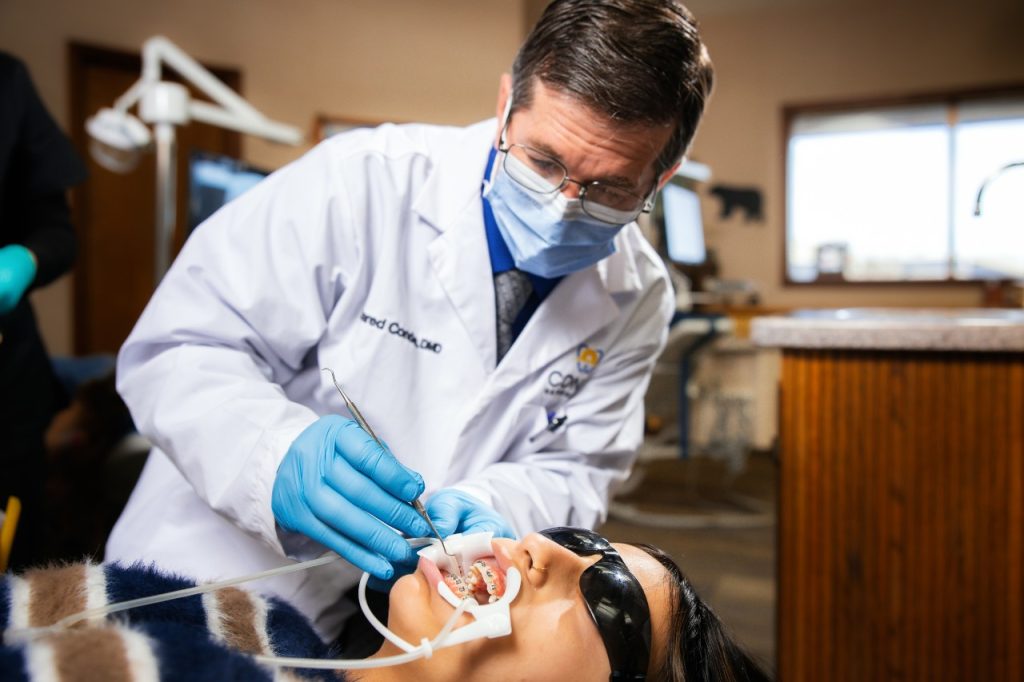
Regular visits to your orthodontic team are not just checkboxes. These make sure your braces are doing their job. Skipping appointments or ignoring rubber bands can delay your progress.
Teens with busy schedules often want to skip a visit, but sticking with these check-ins helps shorten total treatment time. Additionally, regular appointments also let your orthodontist catch minor issues before they become bigger problems, keeping everything moving smoothly.
Always follow your orthodontist’s advice on rubber bands, cleaning routines, and any special instructions. Write reminders on the family calendar, use smartphone alerts, or partner up with a friend or parent to keep track of your orthodontic treatment.
Stay Motivated with a Smile Goal
Braces may feel like a long road, but setting milestones, like completing a school quarter, having a “no-cavity” check, or celebrating your first “tightening,” can help keep spirits high.
Remember, the goal of any orthodontic treatment goes beyond straight teeth. Beautiful smiles, easier chewing, and better oral hygiene are all benefits that last a lifetime.
Teens and parents: consider taking before-and-after photos or writing down compliments received during treatment to track progress and boost motivation. If your child finds cleaning or appointments hard to stick with, set small rewards for a job well done, like picking the next movie night or extra time with friends.
Smiling Brighter: Take Great Care of Your Braces with Condie Orthodontics
Achieving a great smile with dental braces at any age is truly a team effort involving you, your family, and your orthodontic professionals.
It’s about far more than just showing up for appointments. Proper care includes maintaining diligent cleaning routines every single day, being thoughtful about what you eat, and keeping a close eye on even small changes in your mouth.
Consistent braces brushing and flossing help prevent stains, cavities, and tooth decay that could otherwise delay your treatment or affect your results. Steering clear of sticky candies, hard snacks, and foods that can damage brackets protects your investment and keeps orthodontic emergencies to a minimum.
When everyone works together and commits to these habits, you set yourself up for a healthy, confident smile that lasts long after your braces come off. If you have questions about how to care for your or your child’s braces, contact Condie Orthodontics. Our team is ready to help you stay on track throughout your orthodontic treatment. Your lifelong oral health is our priority!