

As a parent, watching your child grow is a journey filled with milestones, from their first steps to their first lost tooth.
Around the time those permanent teeth begin making an appearance, many parents start paying closer attention to their child’s smile. You might notice a bit of crowding, an unusual underbite, or teeth that seem slightly out of alignment.
When these observations arise, a common question surfaces: Should I talk to our family dentist about this, or is it time to see a specialist, such as a child’s orthodontic clinic?
Understanding the distinct roles of a child’s orthodontist versus a general dentist is essential for navigating your child’s dental development. While both professionals play vital roles in keeping young smiles healthy, their training, focus, and scope of practice differ significantly.
Let’s dive into the differences between these fields and explore how early treatment can pave the way for a lifetime of confident smiles.
We’ll cover:
- The difference between an orthodontist and a dentist
- When kids should see a pediatric orthodontist
- The benefits of early orthodontic care
- Signs your child needs an orthodontic check-up
Orthodontist vs Dentist: What’s the Difference?
It is incredibly common for parents to use the terms dentist and orthodontist interchangeably, but they represent two different areas of oral healthcare.
To put it simply, all orthodontists are dentists, but not all dentists are orthodontists.
A general dentist is your primary care provider for overall oral health. They focus on the health of the teeth and gums, managing routine cleanings, fillings, crowns, and preventing decay. They are excellent at keeping your child’s mouth clean and cavity-free.
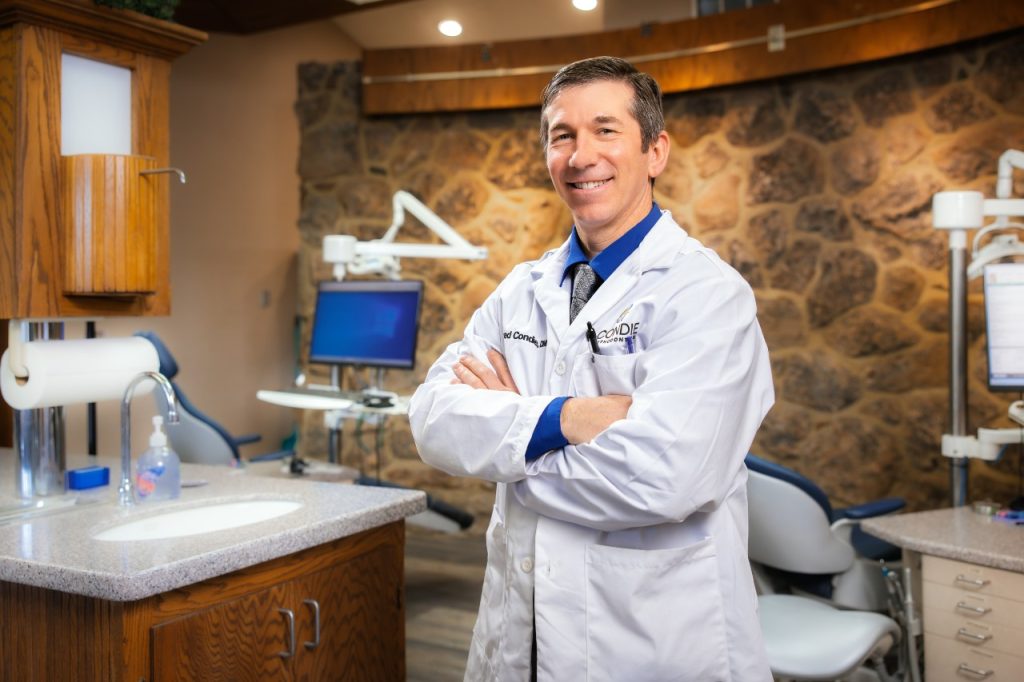
Kids orthodontists are specialists who, after graduating from dental school, undergo an additional two to three years of intensive, full-time residency training at an accredited university. This advanced education focuses exclusively on orthodontics and dentofacial orthopedics.
While a general dentist handles a broad scope of general dental needs, an orthodontist dedicates 100% of their practice to aligning teeth and guiding facial development for a healthy smile.
What Orthodontists Specialize In
Because of their highly specialized training, orthodontists look at your child’s mouth through a unique lens. While a dentist checks for decay, an orthodontist evaluates how the entire oral-facial system functions together.
Orthodontists specialize in:
- Teeth Alignment and Bite Correction: Making sure the upper and lower teeth meet properly for comfortable chewing, speaking, and overall healthy teeth
- Jaw Growth and Development Guidance: Modifying jaw growth in growing children to correct structural imbalances and address jaw pain
- Specialized Treatment Design: Crafting customized treatment plans utilizing advanced orthodontic appliances and specialized braces for kids and adults
- Comprehensive Diagnosis: Utilizing advanced technology, such as digital imaging, to predict how a child’s mouth will change as they grow
When Should Kids See an Orthodontist?
A frequent misconception is that children shouldn’t visit an orthodontist until they have lost all their baby teeth. However, the American Association of Orthodontists (AAO) recommends that every child receive their first orthodontic evaluation by age 7.
By age 7, a child has a mix of baby teeth and permanent teeth, and their first adult molars have typically erupted. This provides a baseline structural blueprint at a younger age.
An early assessment allows a specialist to spot subtle problems with jaw growth and emerging teeth while the bone is still highly adaptable.
An early evaluation does not always mean immediate treatment. In fact, for most children, this initial visit simply establishes a baseline. It allows the specialist to monitor your child’s dental development over time, stepping in only when the timing is absolutely ideal.
Benefits of Early Orthodontic Treatment for a Beautiful Smile
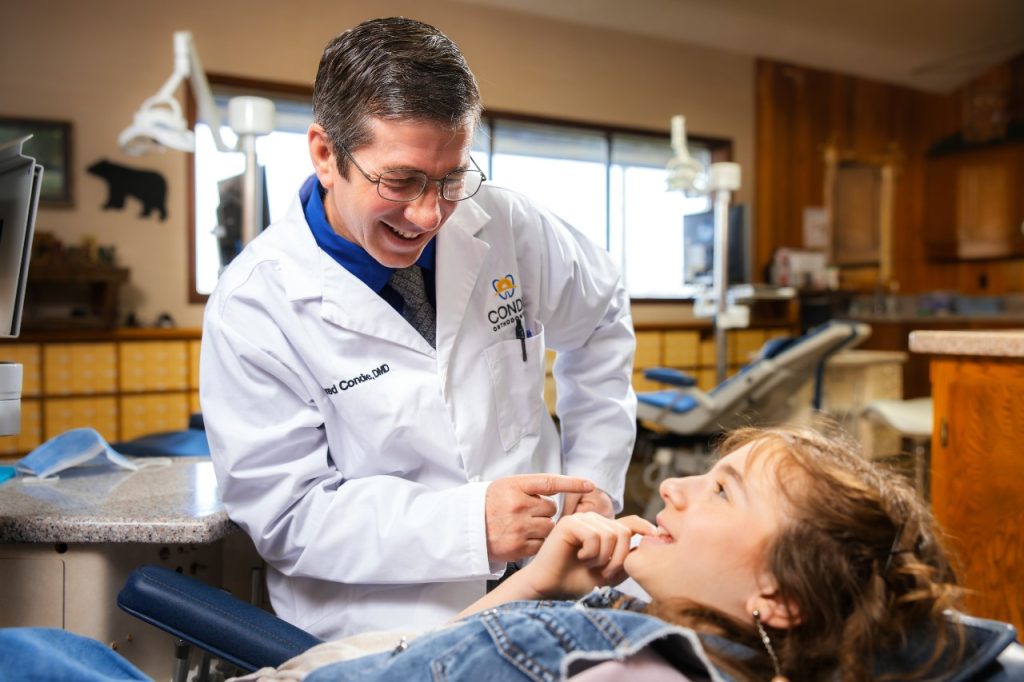
When structural issues are detected early, a proactive approach can achieve results that are much more difficult to accomplish once jaw growth is complete.
Interceptive treatment offers several key benefits.
- Guiding Jaw Growth: Correcting structural imbalances while the bone is still developing and pliable
- Creating Space: Making sure there is adequate room for incoming permanent teeth, which naturally reduces severe crowding
- Correcting Harmful Habits: Addressing issues caused by prolonged thumb-sucking or tongue-thrusting before they permanently alter the palate
- Lowering Extraction Risks: Creating space naturally, which often reduces the need to extract permanent teeth later in life
- Streamlining Future Care: Often leading to a shorter, more straightforward treatment time with comprehensive braces for kids during their teenage years
Common Issues Addressed when Kids Wear Braces
Early intervention addresses a wide variety of developmental irregularities before they evolve into severe alignment issues. Some of the most common issues treated include:
Crowding and Spacing
When a child’s jaw is too small to accommodate permanent teeth, severe crowding occurs, causing teeth to twist or erupt out of place. Conversely, excessive gaps can leave gums unprotected and cause teeth to shift abnormally.
Crossbites and Overbites
A crossbite occurs when upper teeth sit inside the lower teeth, which can cause uneven jaw growth or tooth wear. An overbite involves upper front teeth protruding significantly over the lower teeth, leaving them vulnerable to injury.
Underbites and Jaw Misalignment
An underbite occurs when the lower jaw extends past the upper jaw. Addressing this early allows orthodontists to guide the growth of the facial bones, helping to harmonize the relationship between the upper and lower jaws.
Types of Early Treatment Options for Braces for Kids
Depending on your child’s unique anatomy, early intervention can take several forms, utilizing customized appliances designed specifically for growing mouths.
- Palatal Expanders: Devices that gently widen the upper jaw to correct crossbites and create vital space for crowded teeth
- Partial Braces: Limited kids’ braces placed on just a few select teeth to redirect their path or make room for neighboring teeth
- Space Maintainers: Appliances designed to keep surrounding teeth from drifting into open spaces left by early tooth loss
- Two-Phase Treatment: A comprehensive approach to guide jaw growth, followed by a rest period, and braces for kids to fine-tune final alignment.
Signs Your Child May Need an Orthodontist
While a routine dental checkup is a great place to start, parents can look out for specific indicators that suggest a specialized consultation is a smart next step.
- Some key signs to monitor include:
- Difficulty chewing, biting, or frequently biting the insides of the cheeks
- Chronic mouth breathing or prolonged thumb-sucking habits past age 4
- Visibly crowded, misplaced, or blocked-out teeth
- Jaws that shift, click, or pop when opening and closing
- Early or unusually late loss of primary baby teeth
- Speech difficulties, such as a persistent lisp
If you observe any of these signs, scheduling a dedicated evaluation can provide clarity and peace of mind.
What to Expect at an Orthodontic Consultation
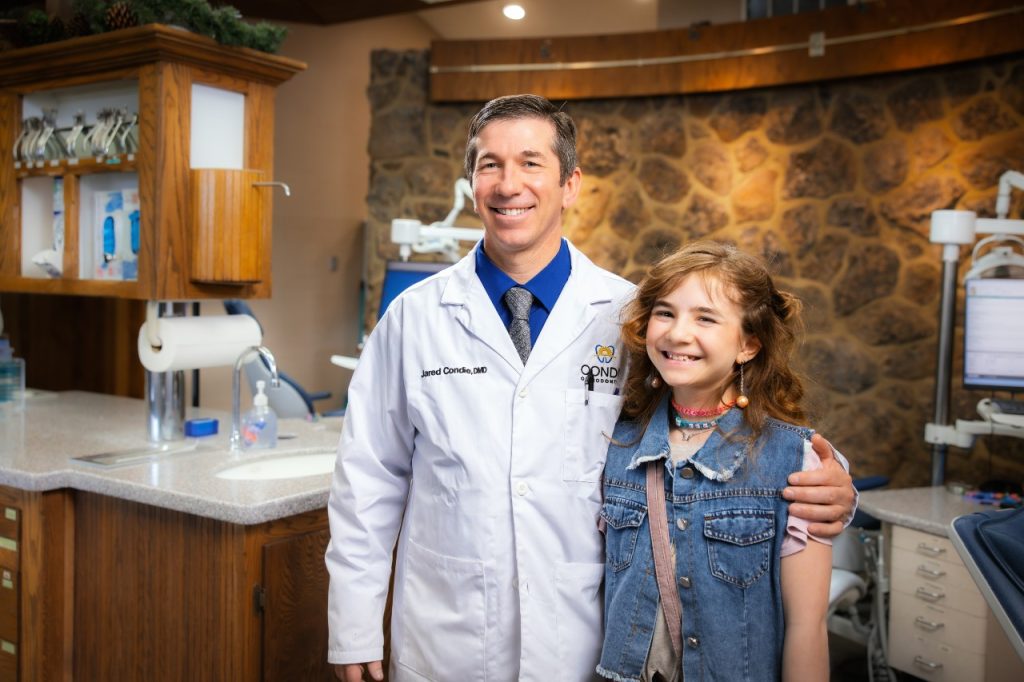
Bringing your child in for an initial evaluation is an educational, pressure-free experience designed to keep families fully informed.
During a typical consultation, the clinical team will conduct a comprehensive clinical examination of your child’s teeth and jaw structure. Safe, low-radiation digital imaging and photographs are captured to view what is happening beneath the gumline.
Following the exam, the specialist will discuss their findings thoroughly. If treatment is indicated, they will outline a clear plan, discuss optimal timing, and explore potential options for braces for kids.
If your child isn’t ready for treatment, they will simply be placed into a monitoring program to observe their growth over time.
Why Condie Orthodontics
When it comes to your child’s smile, specialized expertise makes all the difference. While a general dentist is important for routine cleanings and cavity prevention, a dedicated orthodontic specialist checks that complex jaw and alignment issues are corrected with precision.
At Condie Orthodontics, we specialize in providing advanced, compassionate care tailored entirely to growing children. Our experienced team understands how to make children feel completely safe, relaxed, and excited about their dental health journey.
We utilize modern diagnostics, so your child receives the right care at exactly the right developmental window. This may help reduce treatment complexity and address developing issues before they become more difficult to correct.
Give Your Child the Advantage of Specialized Orthodontic Care at Condie Orthodontics!
Wondering if your child needs braces for kids or an early orthodontic evaluation? The American Association of Orthodontists recommends children see an orthodontist by age 7, and we make that first visit easy and informative.
Our specialized training in kids’ braces and early treatment guarantees your child receives care at exactly the right time for optimal results.
Searching for “braces for kids near me?” Contact Condie Orthodontics today to schedule a complimentary consultation. Discover why parents trust our expertise, child-friendly approach, and commitment to creating healthy, confident smiles.