


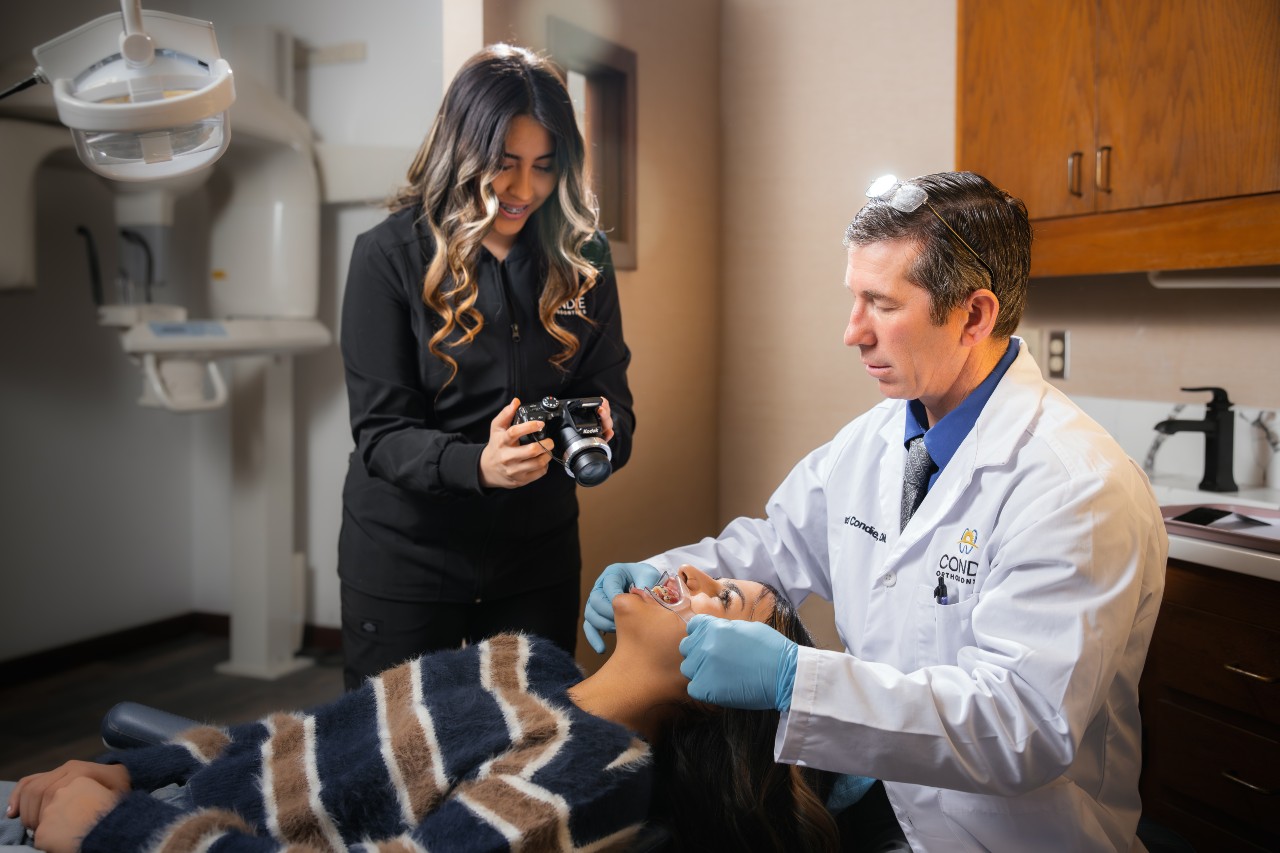
Scheduling your first orthodontic consultation can feel like stepping into the unknown, especially if it’s been years since your last orthodontic visit, or if you’re bringing a child in for their first evaluation.
In the Lower Valley and across Washington, earlier screenings are becoming more common as families learn the advantages of addressing bite and alignment concerns sooner. While age seven remains a typical milestone for children (per the American Association of Orthodontists), teens and adults are increasingly booking first consultations of their own.
Orthodontic care in 2026 looks very different from what it did even a few years ago. Today’s consultations are designed to be comfortable, efficient, and easy to understand, with digital tools replacing many of the traditional methods patients used to worry about.
This guide breaks down exactly what happens during a modern orthodontic consultation, from your first conversation to next-step recommendations, so you know what to expect before you walk through the door.
Step 1: Warm Welcome & Patient Intake
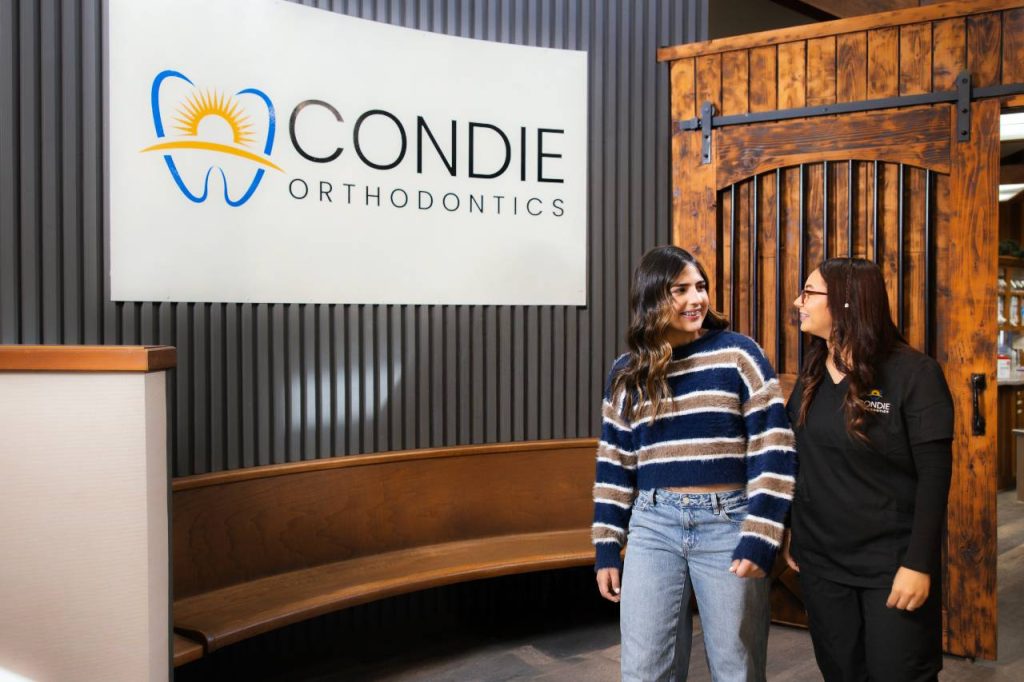
When you arrive for your orthodontic consultation, you will check in at the front desk. A staff member will greet you, confirm your appointment, and share a brief form to update your contact details and health information. Parents should bring any recent X-rays or dental records if they have them, since these documents can provide a useful background on their child’s health history.
Before you meet with the orthodontist, the team will discuss your concerns and goals with you. For some, this means fixing crowding or overbites, while for others it may involve sleep or jaw discomfort.
We encourage everyone, from children to adults, to bring a list of current medications or allergies. Sharing specific goals helps the orthodontic assistants plan your care, whether you’re there for a child’s first check or your own long-overdue smile tune-up.
Step 2: Digital Imaging & Records
Gone are the days of sticky, uncomfortable impression trays. Now, your orthodontic consultation uses a handheld 3D scanner that builds a digital model of your teeth within minutes. For many children and teens in the Lower Valley, this step is more comfortable and less stressful than older methods (remember the ones that used to make you gag?).
In addition to 3D scans, digital X-rays offer a precise look at tooth roots, jaw joints, and airway spaces. These images help the orthodontist spot details that might affect your treatment. With quick, low-radiation images, we can compare current and past records over time to track growth and any changes.
These advances mean shorter appointment times and fewer surprises along the way. Instead of waiting days for results, you see your own teeth and bite displayed on a screen right away.
Step 3: Comprehensive Oral Examination

After the records are gathered, the orthodontist will complete a thorough examination. This goes beyond counting teeth or checking for cavities. We look at how your teeth fit together, how the upper and lower jaws meet, and whether teeth are crowded, spaced out, or slow to grow in.
Airway and Facial Growth
For children and teens, airway health and facial growth patterns are also important to review. Modern research suggests early orthodontics may help with problems like mouth breathing or snoring. Your provider will also discuss bite patterns, overbites, or underbites in the context of long-term dental health.
All of these observations are recorded in your digital chart, which makes it simple to share with your other dental providers or track over time.
Step 4: Orthodontic Treatment Discussion
The orthodontist reviews all findings with you and explains what they mean. If braces, Invisalign®, early intervention, or even a simple retainer would help, we’ll discuss these treatment options clearly.
Reviewing Choices & Answering Questions
The treatment process should be laid out step by step. At our office, we explain expected timelines, when visits will be needed, and what changes you can expect.
It is normal for parents and patients to have questions, so we always leave time for these. Some families want to know about maintenance, while others ask about comfort or daily routines with a new appliance.
Ultimately, you will leave your orthodontic consultation knowing the customized treatment plan, the reasons behind it, and the next steps.
Step 5: Cost, Insurance Coverage, & Payment Options
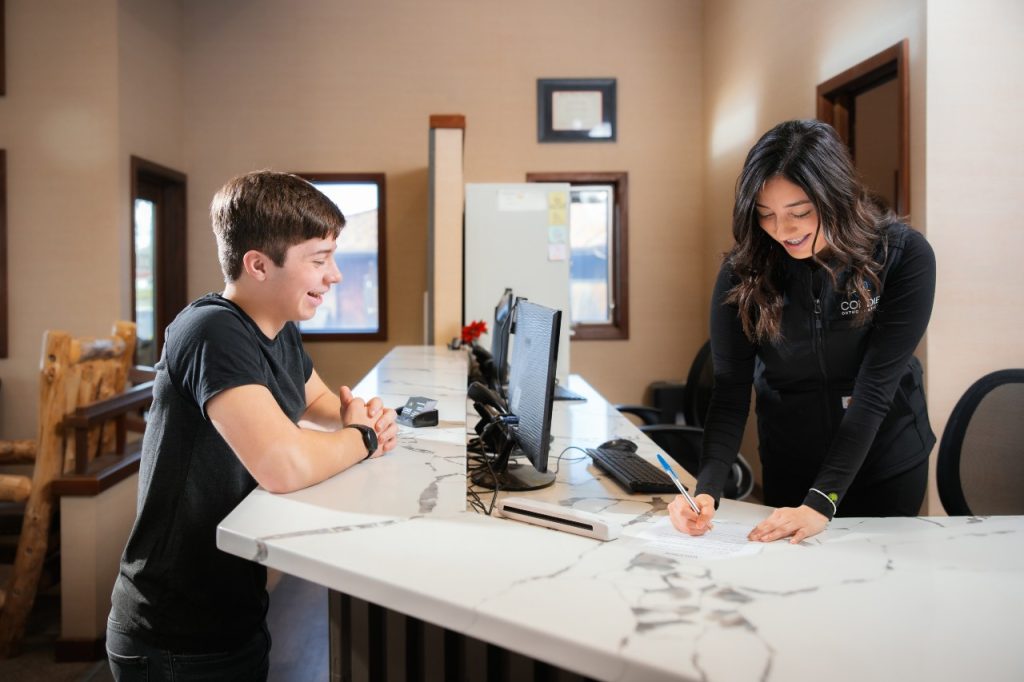
No matter how you slice it, orthodontic treatment is an investment. That’s why we make the cost part open and understandable.
Our team explains fees, shares written estimates, and checks your insurance benefits while you wait if you bring your plan information.
Payment and Family Plans
For many families in the Lower Valley, flexible payment options make starting treatment easier. We outline no-interest plans, up-front payment discounts, and how to set up recurring payments. Many patients in Washington use Health Savings Accounts or similar programs to help cover costs.
By the end of your orthodontic consultation, you will have a clear snapshot of expenses, understand your coverage, and have discussed payment options.
Step 6: Next Steps & Scheduling
Once the treatment and costs are clear, you decide if you want to begin care that day or schedule it for the future. Some parents prefer to monitor children’s growth for a while, while others are ready to start braces or clear aligners right away.
We will also map out the first few visits, which could include taking photos, placing appliances, or simply checking progress in six months. Each family leaves the office knowing what the first phase will look like and how to prepare.
Additional Tips for Patients & Parents
What to Bring and Wear
Wear comfortable clothes and bring snacks or water for children who get nervous or hungry. Bring your dental and insurance cards and any recent dental records from your dentist, as this shortens intake time. Most orthodontic consultations last between 45 minutes to one hour.
Easing Nerves and Planning Questions
Younger children may get nervous in new settings. Bring a favorite small toy, or talk in advance about what the day will look like.
Teens and adults who have concerns about the appearance or discomfort of braces should write questions to discuss with the team. Ask about expected timelines, daily routines, or what results you can expect by the end of your treatment journey.
Why Orthodontic Consultations Look Different in 2026

Recent advances in orthodontic technology have made consultation visits more efficient, accurate, and comfortable. Digital scans mean less mess, while online forms reduce waiting. Scheduling, bill payments, and appointment reminders are now managed with digital tools, letting families check dates or update information from home.
For many in the Lower Valley, this means less time off work and school for dental appointments and faster response times from the orthodontic office. Patients who began care in previous decades notice shorter appointments and improved comfort.
Condie Orthodontics’ Patient-Centered Approach
At Condie Orthodontics, we believe a warm, welcoming office helps patients relax and participate in their care. Our team spends time getting to know each patient, listens closely, and adapts personalized treatment plans. We involve children, teens, and adults in decision-making, so each person feels supported during the orthodontic consultation.
We rely on clear explanations and a friendly culture, focusing on patient comfort, convenience, and confidence. By combining proven methods with modern technology, we help patients of all backgrounds enjoy a healthy, confident smile.
Book Your First Visit in 2026
If you’re considering orthodontic treatment options for yourself or your child, an initial consultation is the first step toward a healthier smile. Our team will walk you through your options, answer your questions, and help you decide what comes next in your orthodontic journey, without any pressure. Schedule your in-person consultation today to put your best smile forward in 2026.